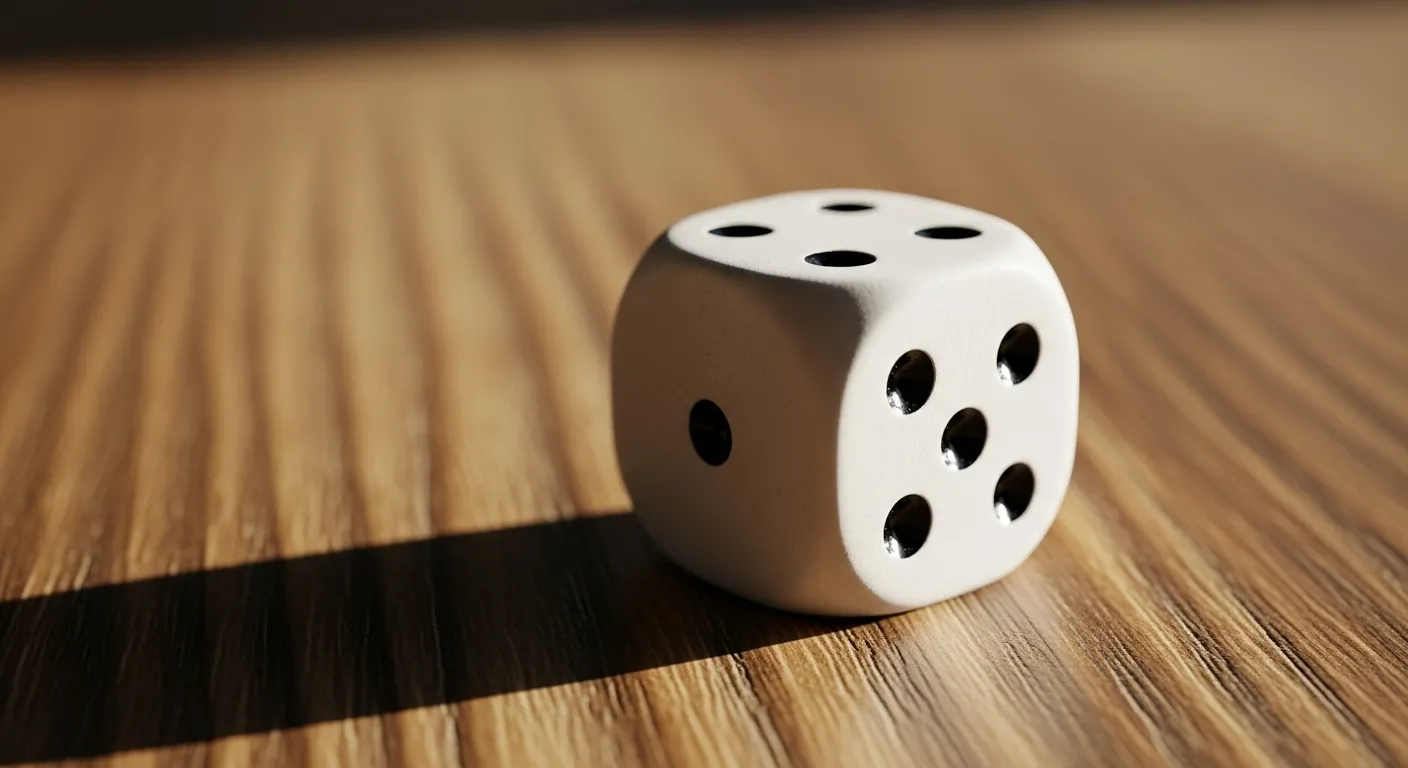
Have you ever typed “dice or die” into Google and felt confused? You are not alone. Many people pause when they want to talk about a game, a board, or a small cube with numbers on it.
Should you write dice or die? One word feels right, the other feels scary because die also means to stop living.
This confusion happens because dice and die look similar but mean very different things. One is about games and chance. The other is about death or grammar.
Writers, students, gamers, and even professionals search this keyword to avoid mistakes in emails, articles, exams, and social media posts.
This article solves that confusion once and for all. You will learn the quick answer, the origin of both words, how British and American English treat them, and which spelling you should use for your audience.
You’ll also see real-life examples, common mistakes, FAQs, and usage advice. By the end, you’ll never hesitate again when choosing dice or die.
Dice or Die – Quick Answer
Dice is the plural noun for small cubes used in games.
Die has two meanings:
- A verb meaning “to stop living”
- The singular form of dice (one cube)
Examples:
- Roll the dice. ✅ (more than one)
- I rolled one die. ✅ (single cube)
- Plants die without water. ✅ (verb)
👉 Rule to remember:
- One cube = die
- Two or more cubes = dice
The Origin of Dice or Die
The word die comes from Latin datum, meaning “something given.” Early dice were objects “given” for games of chance.
Over time:
- Die became the singular form
- Dice became the plural form
However, language evolved. Many English speakers began using dice for both singular and plural in casual speech. This is why confusion exists today.
The verb die (meaning death) comes from a completely different root in Old English (dīegan). These two meanings just happen to share the same spelling.
So:
- Same spelling
- Different meanings
- Different histories
That’s why writers must be careful.
British English vs American English Spelling
There is no spelling difference between British and American English for dice or die. Both follow the same rules.
The difference is in usage preference, not spelling.
Comparison Table
| English Type | Singular | Plural | Casual Use |
| American | die | dice | Dice often used for both |
| British | die | dice | More strict in writing |
In formal writing, both British and American English prefer:
- die for one
- dice for more than one
Which Spelling Should You Use?
It depends on your audience.
Use die when:
- You mean one game cube
- You are writing formally
- You want clear grammar
Use dice when:
- You mean two or more
- You are writing casually
- You are speaking informally
Audience-based advice:
- US audience: Dice is okay in speech, but use die in writing
- UK/Commonwealth: Stick to die (singular) and dice (plural)
- Global audience: Follow grammar rules for clarity
👉 Best practice:
Use die for one, dice for more than one—always safe.
Common Mistakes with Dice or Die
Many errors happen because people fear the word die.
❌ Common mistakes:
- “I rolled a dice.” ❌
- “This dice is broken.” ❌
- Avoiding die because it sounds negative ❌
✅ Correct versions:
- “I rolled a die.” ✅
- “This die is broken.” ✅
- “I rolled two dice.” ✅
👉 Tip: Grammar does not change meaning. Using die does not mean death.
Read More.Liar or Lier? The Correct Spelling Explained Simply
Dice or Die in Everyday Examples
Emails
- “Please bring two dice for the activity.”
- “One die is missing from the set.”
News
- “The game uses weighted dice.”
- “Each die was tested for fairness.”
Social Media
- “Rolling the dice on this new project 🎲”
- “Life is a dice game!” (casual, accepted)
Formal Writing
- “A single die was rolled 100 times.”
- “The probability depends on the dice used.”
Dice or Die – Google Trends & Usage Data
Search data shows that “dice or die” is commonly searched by:
- Students
- ESL learners
- Gamers
- Writers
Usage patterns:
- Dice is more popular in gaming and casual searches
- Die appears more in grammar and academic searches
By country:
- US: Dice used more casually
- UK: Grammar rules followed more strictly
- Global: Confusion is widespread
👉 This keyword exists because people want certainty, not guesses.
Dice or Die Comparison Table
| Feature | Die | Dice |
| Meaning | One cube / death (verb) | More than one cube |
| Part of Speech | Noun / Verb | Noun |
| Formal Writing | Preferred | Preferred (plural) |
| Casual Speech | Less common | Very common |
| Common Mistake | Avoided wrongly | Used as singular |
FAQs About Dice or Die
1. Is “dice” singular or plural?
Grammatically, dice is plural. Casual speech may differ.
2. Can I say “a dice”?
No. Correct form is a die.
3. Why do people avoid using “die”?
Because it sounds like death, but grammar is separate from meaning.
4. Is “dice” acceptable for one cube?
In informal speech, yes. In writing, no.
5. Do British and American English differ?
No spelling difference. Only usage preference.
6. Which is safer for exams?
Use die for one and dice for more than one.
7. Is “dice” ever a verb?
Yes. “To dice” means to cut into small cubes (food).
Conclusion
The confusion between dice or die is common, but the rule is simple. Die is singular. Dice is plural. The word die may feel uncomfortable because of its meaning, but grammar does not change because of emotion. In clear writing, especially for exams, articles, and professional work, using the correct form matters.
British and American English follow the same rules, even if casual speech bends them. If you are writing for a global audience, correct grammar always wins. Using die for one cube and dice for more than one makes your writing look confident, accurate, and professional.
Remember, language clarity builds trust. Once you understand this rule, you’ll never hesitate again. Roll the dice, not your confidence and never fear the word die when grammar needs it.

Pam Peters is an Australian linguist known for her work on English spelling and usage differences.
She specializes in British and American English variations.