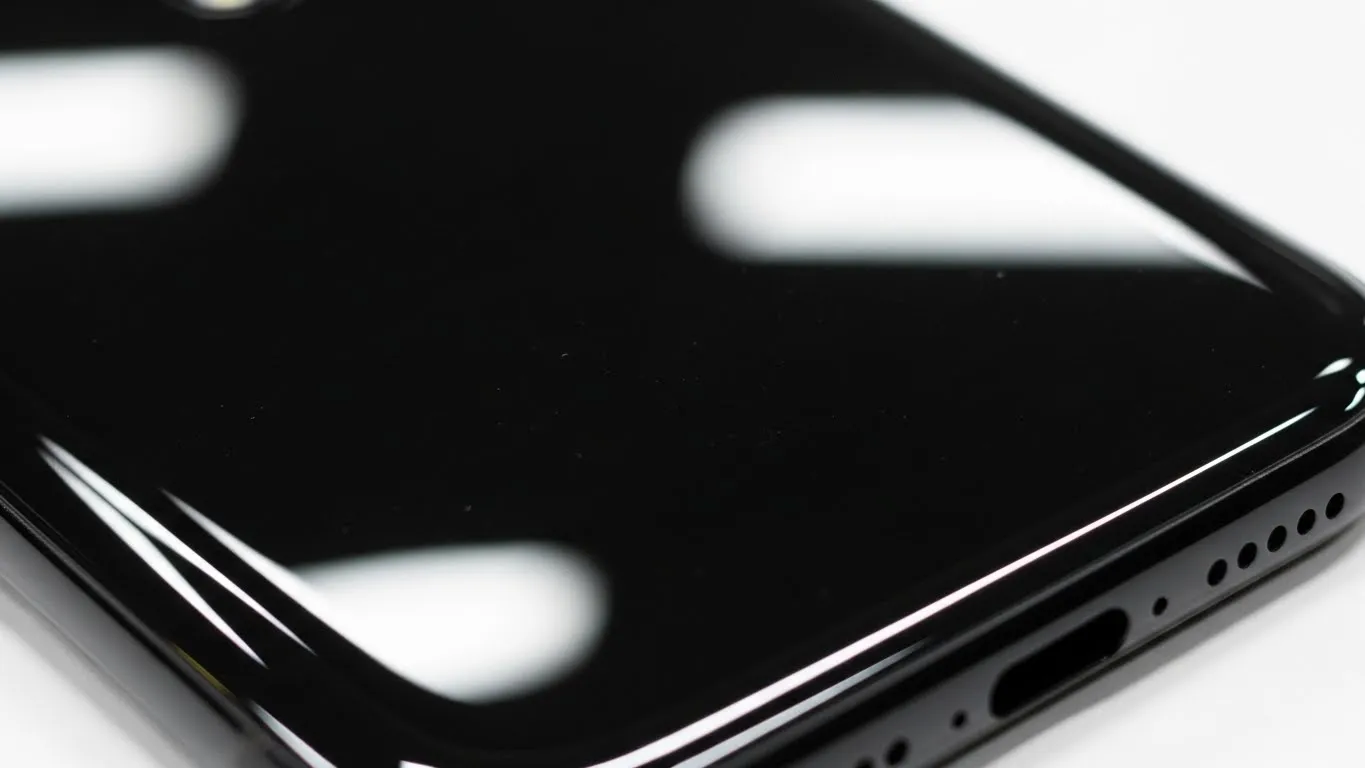
People often search “glossy or matte” when they are choosing a finish for photos, screens, paint, packaging, makeup, or even websites. The confusion is real because both finishes look good but in very different ways
. Glossy feels bright, sharp, and shiny. Matte feels soft, smooth, and glare-free. Picking the wrong one can lead to regret, eye strain, or a design that does not fit your purpose.
This keyword is popular because buyers want a quick answer before making a decision. Designers want the right look. Photographers want the right print. Everyday users want screens that are easy on the eyes.
Many also get confused by spelling, especially “matte” vs “matt”, and wonder if “glossy” changes across regions.
This article clears all that confusion. You’ll get a fast explanation, real-world examples, spelling rules for British and American English, common mistakes to avoid, and usage tips based on your audience.
By the end, you’ll know exactly when to choose glossy and when matte is the better option.
Glossy or Matte – Quick Answer
Glossy means shiny and reflective.
Matte means dull, smooth, and non-reflective.
Examples:
- A glossy photo print has bright colors and sharp contrast.
- A matte screen reduces glare and fingerprints.
Quick rule:
Choose glossy for color impact. Choose matte for comfort and clarity.
The Origin of Glossy or Matte
The word glossy comes from the word gloss, meaning shine or luster. It has been used in English for centuries to describe polished or reflective surfaces.
Matte comes from French mat, meaning dull or flat. Over time, English adopted the word to describe surfaces without shine.
There is no spelling confusion with glossy, but matte has a regional spelling difference:
- Matte (American English)
- Matt (British English)
Both mean the same thing. Only the spelling changes.
Read Also.Coworker vs Colleague: Same Workplace, Different Meaning
British English vs American English Spelling
The main difference appears with matte.
| Term | American English | British English |
| Glossy | Glossy | Glossy |
| Matte finish | Matte | Matt |
| Matte paint | Matte paint | Matt paint |
Key point:
“Glossy” is spelled the same everywhere. Only “matte/matt” changes by region.
Which Spelling Should You Use?
Your audience decides.
- US audience: Use glossy and matte
- UK audience: Use glossy and matt
- Global audience: Use glossy and matte (most widely understood)
If you run an international website, “matte” is the safer choice for clarity and SEO.
Common Mistakes with Glossy or Matte
Here are mistakes people often make:
- ❌ Saying glossy reduces glare
✅ Glossy increases glare - ❌ Thinking matte means low quality
✅ Matte is often premium and professional - ❌ Mixing matt and matte in the same article
✅ Stick to one spelling style - ❌ Using glossy for office screens
✅ Matte screens are better for long use
Glossy or Matte in Everyday Examples
Emails:
- “Please choose a matte finish for office prints.”
News:
- “The magazine switched to a glossy cover to boost shelf appeal.”
Social Media:
- “Glossy photos pop on Instagram, but matte feels more aesthetic.”
Formal Writing:
- “The product is available in both glossy and matte finishes.”
Glossy or Matte – Google Trends & Usage Data
Search interest for “glossy or matte” is highest in:
- Photography
- Smartphones and laptops
- Paint and interior design
- Printing and packaging
In the US, searches favor “matte”.
In the UK, “matt” is more common.
Globally, glossy vs matte comparisons are rising as buyers research before purchase.
This shows strong buyer intent, not just curiosity.
Glossy vs Matte Comparison Table
| Feature | Glossy | Matte |
| Surface | Shiny | Non-shiny |
| Glare | High | Low |
| Color | Very vibrant | Soft and natural |
| Fingerprints | Visible | Minimal |
| Best for | Photos, covers | Screens, offices |
FAQs About Glossy or Matte
1. Is glossy better than matte?
No. Glossy is better for color. Matte is better for comfort.
2. Does matte reduce eye strain?
Yes. Matte reduces glare and reflections.
3. Are glossy photos more professional?
Not always. Matte photos often look more elegant.
4. Is matte the same as flat?
Similar, but matte usually feels smoother and more refined.
5. Why does matte look darker?
It absorbs light instead of reflecting it.
6. Should I use glossy or matte for screens?
Matte is better for work and long use.
7. Is matt wrong spelling?
No. Matt is correct in British English.
Conclusion
The choice between glossy or matte is not about right or wrong it’s about purpose. Glossy finishes shine. They grab attention, boost colors, and work well for photos, covers, and marketing materials. Matte finishes stay calm. They reduce glare, hide fingerprints, and feel more professional in work and daily use.
Spelling also matters. Glossy stays the same everywhere. Matte changes to matt in British English, but the meaning never changes. If your audience is global, stick with matte for clarity and consistency.
When in doubt, ask one simple question: Do I want impact or comfort?
Impact points to glossy. Comfort points to matte.
Knowing this difference saves time, money, and frustration and helps you make confident choices every time.

Mark Nichol is an English language writer and editor.
He focuses on spelling confusion, word comparisons, and clear usage rules.